
Introduction
If you’ve ever wanted to bake your own bread but thought it was too complicated, this foolproof ciabatta bread recipe is here to change your mind! With just a few simple ingredients and a little patience, you can create a deliciously crusty and airy loaf that rivals those found in the best Italian bakeries. Perfect for young professionals who love homemade food but are pressed for time, this recipe requires minimal effort and delivers maximum flavor.
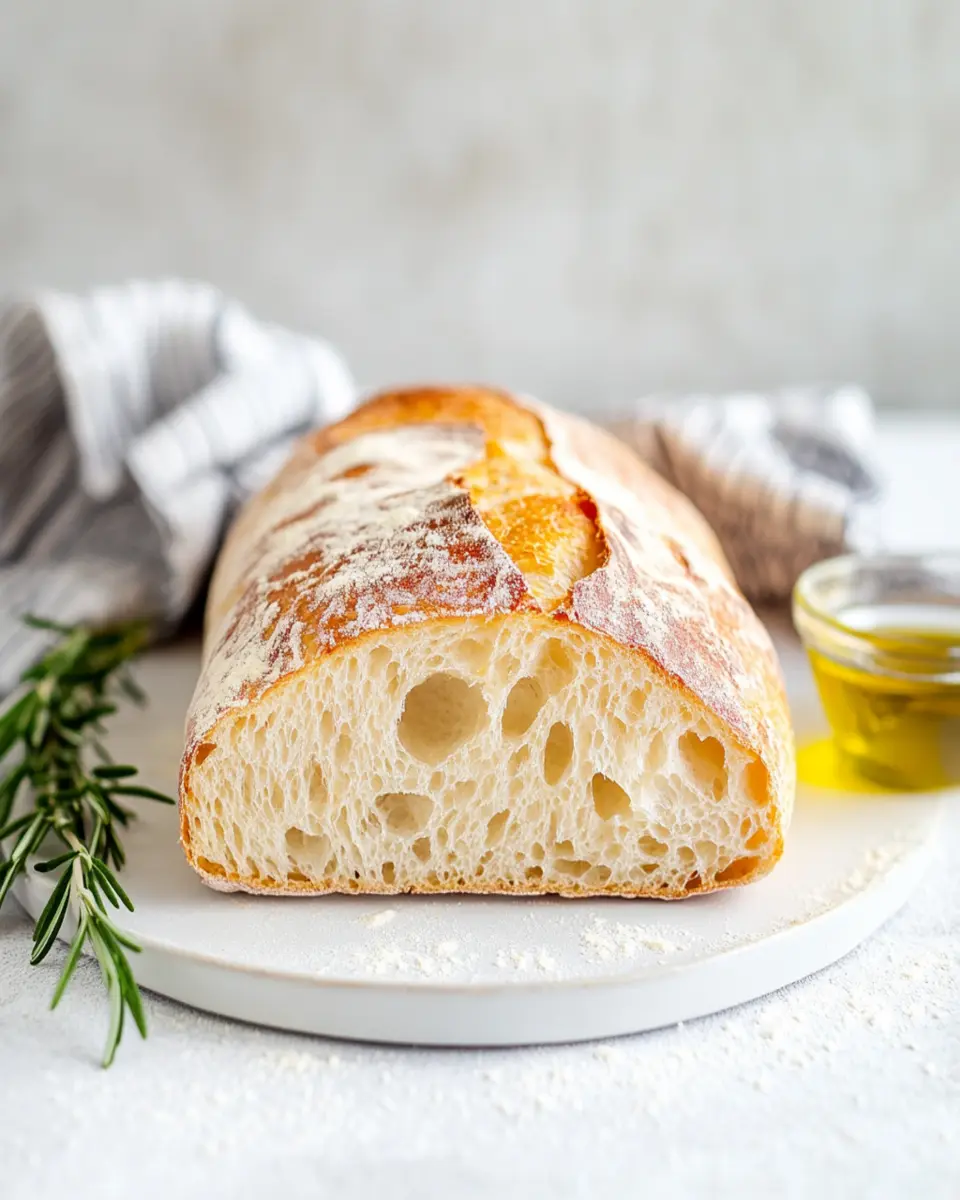
Imagine pulling a warm, golden-brown ciabatta from your oven, the aroma filling your kitchen, and the first bite revealing its airy texture and crispy crust. This bread is not just a side dish; it can elevate any meal or stand alone with a drizzle of olive oil or a sprinkle of sea salt. Have you ever wondered how something so simple could be so satisfying? Let’s dive into the ingredients and instructions that will make your baking experience effortless and enjoyable.
Whether you’re a seasoned baker or just starting out, this ciabatta recipe is designed to guide you through the process with ease. So roll up your sleeves, gather your ingredients, and let’s get started on making foolproof ciabatta bread that you can be proud of!
Key Ingredients
When making foolproof ciabatta bread, the right ingredients are crucial for achieving that perfect crust and airy texture. Here’s a closer look at what you’ll need:
All-Purpose Flour (3 cups)
All-purpose flour is the backbone of this ciabatta recipe. It provides the necessary gluten structure, giving the bread its chewy texture and ability to rise. Make sure to use high-quality flour for the best results.
Water (1 1/4 cups)
Water is essential for hydrating the flour, activating the yeast, and creating steam during baking, which contributes to the crust’s crispiness. Using warm water can also help kickstart the fermentation process.
Salt (2 teaspoons)
Salt enhances the flavor of the bread and helps to regulate yeast activity. It’s important not to skip this ingredient, as it balances the flavors and strengthens the dough’s structure.
Instant Yeast (1 teaspoon)
Instant yeast is a fast-acting leavening agent that helps the dough rise quickly and efficiently. It doesn’t require proofing, making it a perfect choice for this easy ciabatta recipe.
These key ingredients work together to create a ciabatta bread that is not only delicious but also remarkably easy to make. Keep in mind that using a kitchen scale for measuring can help ensure accuracy and consistency in your baking.

Why You’ll Love This Recipe
This foolproof ciabatta bread recipe is a game changer for anyone who loves homemade food but is short on time. With just a few simple ingredients and minimal effort, you can create a crusty, airy loaf that is perfect for any occasion. Whether you’re hosting a dinner party or just enjoying a cozy night in, this bread will elevate your meals without overwhelming your schedule.
Imagine the satisfaction of baking your own bread without the usual stress or complexity. This ciabatta requires an overnight rise, which means you can mix the ingredients one evening and have fresh bread ready by the next day. Plus, the long fermentation process enhances the flavor, giving you a delightful taste that will impress even the most discerning bread lovers.
Another reason to love this recipe is its versatility. You can easily customize the ciabatta by adding herbs, cheese, or even olives for a unique twist. This means you can adapt it to suit your taste or the season, making it a staple in your baking repertoire. Once you learn how to make foolproof ciabatta bread, you’ll find yourself making it again and again, each time experimenting with different flavors and textures.
Variations
Once you’ve mastered the basic ciabatta bread recipe, you can easily explore various delicious variations to suit your taste and impress your friends. These adaptations allow you to experiment with flavors while keeping the ease of preparation intact.
Herbed Ciabatta
Adding fresh herbs like rosemary, thyme, or basil to your dough can elevate your ciabatta to new heights. Simply chop your chosen herbs finely and incorporate them into the dough during the mixing stage. This will infuse the bread with aromatic flavors that pair perfectly with soups or salads.
Cheese-Stuffed Ciabatta
For a cheesy twist, consider adding your favorite cheese to the dough. As the bread bakes, the cheese melts into delightful pockets of flavor. Options like mozzarella, feta, or cheddar work beautifully. Just fold small chunks of cheese into the dough during the shaping phase for a gooey surprise in every bite.
Olive and Sun-Dried Tomato Ciabatta
To give your ciabatta a Mediterranean flair, mix in chopped olives or sun-dried tomatoes. These ingredients not only add flavor but also a splash of color to your bread. The saltiness of the olives and the sweetness of the tomatoes create a delightful contrast that makes this variation a standout.
These variations not only showcase your creativity but also allow you to cater to different tastes and occasions. Whether you’re having a casual dinner or hosting a special gathering, these unique ciabatta options will surely impress your guests!
Cooking Tips and Notes
Baking ciabatta bread might seem daunting, but with these cooking tips, you’ll be set up for success. The key is to embrace the dough’s stickiness; it’s part of what makes ciabatta so wonderfully airy. Don’t be afraid to use plenty of flour when shaping your dough to prevent it from sticking to your work surface.
Use a Baking Stone
For the best crust, consider using a baking stone or an upside-down baking sheet to heat in the oven. This helps create a burst of steam when the dough hits the hot surface, which is essential for achieving that signature crispy crust that ciabatta is known for. If you don’t have a stone, using a cast-iron skillet filled with water can also generate steam.
Monitoring the Dough
Keep an eye on your dough during the second rise. Depending on your kitchen temperature, it may rise faster or slower than expected. A good rule of thumb is to look for dough that has doubled in size. Remember, patience is key—allowing the dough to rise sufficiently will result in a lighter, airier loaf.
Experiment with Flavors
Feel free to experiment with flavors! Adding rosemary, olives, or sun-dried tomatoes can elevate your ciabatta to new levels. Just fold these ingredients in gently during the shaping process to avoid deflating the dough.
By following these tips, you’ll not only learn how to make foolproof ciabatta bread, but you’ll also gain confidence in your baking skills, making every loaf a delicious success!
Serving Suggestions
Ciabatta bread is incredibly versatile, making it a fantastic addition to any meal. Its crusty exterior and airy interior lend themselves well to a variety of serving options that can delight your taste buds.
As a Side Dish
Serve slices of freshly baked ciabatta alongside your favorite soups or salads. The bread’s texture is perfect for soaking up delicious broths or dressing, enhancing your dining experience.
Sandwiches and Paninis
Use ciabatta as a base for hearty sandwiches or paninis. Whether filled with roasted vegetables, meats, or cheeses, the bread holds up well to fillings, adding a delightful crunch and chew.
Toasted with Toppings
For a quick snack or appetizer, slice ciabatta and toast it until golden. Top with olive oil, garlic, or fresh herbs for a simple bruschetta. You can also spread it with ricotta cheese and honey for a sweet treat that’s sure to impress.
These serving suggestions highlight the bread’s adaptability, making it a staple in your kitchen. Enjoy experimenting with different pairings to find your favorites!

Time Breakdown
Understanding the time required to make foolproof ciabatta bread can help you plan your baking day effectively. Here’s a simple breakdown of the time involved:
Preparation
15 minutes: This includes gathering ingredients and mixing them to form a sticky dough.
Cooking/Baking
25 minutes: The actual baking time in the oven, where your dough transforms into a beautiful loaf.
Total
18 hours 40 minutes: While this includes the resting time for the dough, it’s mostly hands-off time, allowing you to go about your day while the bread develops flavor and texture.
An efficiency tip: Prepare the dough the night before and let it rise overnight, so you can enjoy freshly baked ciabatta for breakfast or lunch!
Nutritional Facts
Understanding the nutritional information of your homemade ciabatta can help you enjoy it mindfully. Each slice contains approximately 150 calories, with just 1 gram of total fat, making it a light option for your meals. It also offers 31 grams of carbohydrates and 4 grams of protein, providing energy and sustenance.
With 350 milligrams of sodium per slice, ciabatta can fit well into a balanced diet, especially when paired with fresh ingredients or high-quality toppings. Remember, the joy of making foolproof ciabatta bread is not just in its taste, but also in how you can incorporate it into your healthy eating habits!
FAQ based on “People Also Ask” section
What is ciabatta bread?
Ciabatta bread is an Italian loaf known for its rustic appearance, crispy crust, and airy crumb. Its name translates to “slipper” in Italian, referring to its shape. This bread is perfect for sandwiches or served alongside soups and salads.
How long does it take to make ciabatta bread?
Making ciabatta bread requires minimal active time but involves a lengthy fermentation process. The total time from mixing to baking can take up to 18 hours and 40 minutes, primarily due to the overnight rise that develops its flavor and texture.
Can I use whole wheat flour instead of all-purpose flour?
Yes, you can substitute whole wheat flour for all-purpose flour, but it may affect the texture and rise of the bread. For best results, consider using a mix of both flours to maintain the ciabatta’s characteristic lightness.
How do I store leftover ciabatta bread?
To store leftover ciabatta, wrap it in a clean kitchen towel and place it in a paper bag. This helps maintain its crust while keeping the bread from becoming stale. For longer storage, slice the bread and freeze it in an airtight container.
Conclusion
Baking your own ciabatta bread is not just a rewarding experience; it’s a delicious way to bring a taste of Italy into your home. This foolproof ciabatta bread recipe allows you to create a crusty, airy loaf with minimal effort, making it perfect for young professionals and homemade-food lovers alike.
With just a few simple ingredients and some patience, you can enjoy freshly baked ciabatta that impresses family and friends. Don’t forget to experiment with flavors and toppings to make each loaf your own. So roll up your sleeves, gather your ingredients, and start baking today! Cook, save, share, or comment on your experience for a truly enriching culinary journey.
Print
Foolproof Ciabatta Bread
- Total Time: 18 hours 40 minutes
- Yield: 1 loaf 1x
- Diet: Vegetarian
Description
This foolproof ciabatta bread recipe will help you create a deliciously crusty and airy loaf with minimal effort.
Ingredients
- 3 cups all-purpose flour
- 1 1/4 cups water
- 2 teaspoons salt
- 1 teaspoon instant yeast
Instructions
- In a large mixing bowl, combine the flour, water, salt, and yeast.
- Mix the ingredients until a sticky dough forms.
- Cover the bowl with plastic wrap and let it rest at room temperature for 12-18 hours.
- After the resting time, flour your work surface and gently turn the dough out onto it.
- Shape the dough into a rectangle and fold it over itself a few times.
- Let it rise for another 1-2 hours.
- Preheat your oven to 450°F (230°C).
- Place a baking stone or upside-down baking sheet in the oven to heat.
- Transfer the dough to the hot surface and bake for 20-25 minutes or until golden brown.
Notes
- For best results, use a kitchen scale to measure ingredients.
- Feel free to experiment with adding herbs or cheese for different flavors.
- Prep Time: 15 minutes
- Cook Time: 25 minutes
- Category: Bread
- Method: Baking
- Cuisine: Italian
Nutrition
- Serving Size: 1 slice
- Calories: 150
- Sugar: 0g
- Sodium: 350mg
- Fat: 1g
- Saturated Fat: 0g
- Unsaturated Fat: 0g
- Trans Fat: 0g
- Carbohydrates: 31g
- Fiber: 1g
- Protein: 4g
- Cholesterol: 0mg